
Nestled in the heart of downtown Los Angeles, Chinatown Los Angeles stands as a vibrant cultural enclave that blends rich history with modern energy. Established in its current form in 1938 after the original Old Chinatown was displaced for Union Station, this neighborhood has evolved into a must-visit destination for travelers seeking authentic Asian influences amid the sprawl of Southern California. Spanning less than a square mile and home to around 20,000 residents, Chinatown Los Angeles pulses with colorful lanterns, ornate gateways, and the aromas of sizzling street food. Whether you’re a foodie chasing dim sum delights, a history buff exploring temples and museums, or an adventurer looking for unique experiences, this guide will help you navigate the best of what Chinatown Los Angeles has to offer. From iconic landmarks to hidden gems, let’s dive into the sights, bites, and thrills that make Chinatown Los Angeles an unforgettable stop on any LA itinerary.
A Brief History of Chinatown Los Angeles
To truly appreciate Chinatown Los Angeles, it’s essential to understand its roots. The original Chinatown, known as Old Chinatown, emerged in the late 19th century along Alameda and Macy streets, serving as a hub for Chinese immigrants who arrived during the California Gold Rush and railroad boom. By the 1930s, however, the area was razed to make way for Union Station, displacing thousands. In response, community leaders like Peter Soo Hoo Sr. spearheaded the creation of New Chinatown just north of the original site. Designed with a Hollywood flair—think film set architects blending Chinese motifs with American styles—the neighborhood opened in 1938 as a tourist attraction. Streets like Gin Ling Way and Central Plaza were adorned with neon signs, pagoda roofs, and exotic elements, including props from Cecil B. DeMille films.
Over the decades, Chinatown Los Angeles has faced challenges, including population shifts to the San Gabriel Valley in the 1980s and gentrification in recent years. Yet, it remains resilient, with new developments like mixed-use buildings and a thriving art scene. Today, it’s a melting pot not just of Chinese culture but also Vietnamese, Thai, and Indonesian influences, reflecting the diverse Asian diaspora in LA. As of 2020, the population is predominantly Asian (68.8%), with a median income of around $29,000, making it a working-class neighborhood that’s both authentic and accessible. Visiting here isn’t just tourism—it’s a chance to support a community that’s been integral to LA’s fabric for over a century.
What to See: Iconic Landmarks and Hidden Gems
Chinatown Los Angeles is packed with visual delights, from grand gateways to serene temples. Start your exploration at the Chinatown Gateway Monument, also known as the Dragon Gate, at Broadway and Cesar Chavez Avenue. This towering arch, funded by the Teochew-speaking community in 2001, features intricate dragon motifs and serves as the symbolic entrance to the neighborhood. It’s a perfect photo op, especially at night when it’s illuminated.

Just beyond lies Central Plaza, the beating heart of Chinatown Los Angeles. Opened in 1938, this pedestrian square is adorned with a wishing well (added in 2001), a statue of Sun Yat-sen (erected in the 1960s), and a 7-foot bronze tribute to Bruce Lee unveiled in 2013. The plaza’s dragon mural, painted by Tyrus Wong and restored in 1984, adds a splash of color. Wander the surrounding streets like Gin Ling Way, lined with neon signs and shops selling everything from jade jewelry to herbal remedies.
Don’t miss Thien Hau Temple on Yale Street, a Taoist sanctuary dedicated to Mazu (goddess of the sea) and Guan Yu (god of brotherhood). Built in 2001, its red lanterns and incense-filled halls offer a peaceful retreat. For history enthusiasts, the Chinese American Museum in the Garnier Building (part of El Pueblo de Los Ángeles Historical Monument) showcases artifacts from Old Chinatown, including immigration stories and cultural exhibits.
Art lovers will appreciate the over 20 galleries scattered throughout, focusing on contemporary works from emerging artists—often non-Chinese, adding to the neighborhood’s eclectic vibe. The Los Angeles State Historic Park (aka the Cornfield) provides green space for picnics, while the Metro A Line’s Chinatown Station, with its pagoda-style architecture, makes getting around easy. For a quirky detour, visit Philippe’s on Alameda Street, a 1908 institution famous for inventing the French Dip sandwich—though not strictly Chinese, it’s a Chinatown staple.
Other must-sees include the East and West Gates (historic monuments on Broadway and Hill Street) and the Alpine Recreation Center for community vibes. If you’re into walking tours, organizations like the Chinese Historical Society offer guided strolls that delve into the area’s past, lasting 1-4 hours for a $20 donation.
What to Eat: Culinary Delights from Dim Sum to Pho
Food is the soul of Chinatown Los Angeles, where traditional Chinese fare meets Southeast Asian twists. Start with dim sum at classics like Ocean Seafood or the now-closed but legendary Empress Pavilion—though it’s gone, spots like Long’s Family Pastry keep the tradition alive with steamed buns and har gow. For Cantonese barbecue, hit up delis displaying roast duck and suckling pig in windows along Broadway.

The neighborhood’s diversity shines in Vietnamese pho shops like Pho Broadway or banh mi at Saigon Plaza’s bazaars. Indonesian and Thai eateries add spice, while bakeries offer egg tarts and mooncakes. Recent buzz includes Bubble U on North Broadway, hosting collaborations like the upcoming IRIAM event from January 3-9, 2026, with boba drinks and streamer-themed merch.
For modern takes, try Far East Plaza’s trendy spots or Dynasty Center’s markets for affordable groceries and street eats. Don’t overlook non-Asian gems like Howlin’ Ray’s for Nashville hot chicken or burgers at Burgerlords—proof of the area’s evolving palate. With cheap rents attracting new chefs, Chinatown Los Angeles is a foodie’s paradise on a budget. Pro tip: Visit during lunch for deals, and note the lack of a large central grocery since 2019—stock up at smaller shops.
Experiences: Festivals, Shopping, and Nightlife
Beyond sights and eats, Chinatown Los Angeles offers immersive experiences. Time your visit for cultural events like the Chinese New Year Parade, featuring dragon dances and fireworks, or the Mid-Autumn Moon Festival with lantern displays. The Lantern Festival at the Chinese American Museum and the Firecracker Run add festive energy.
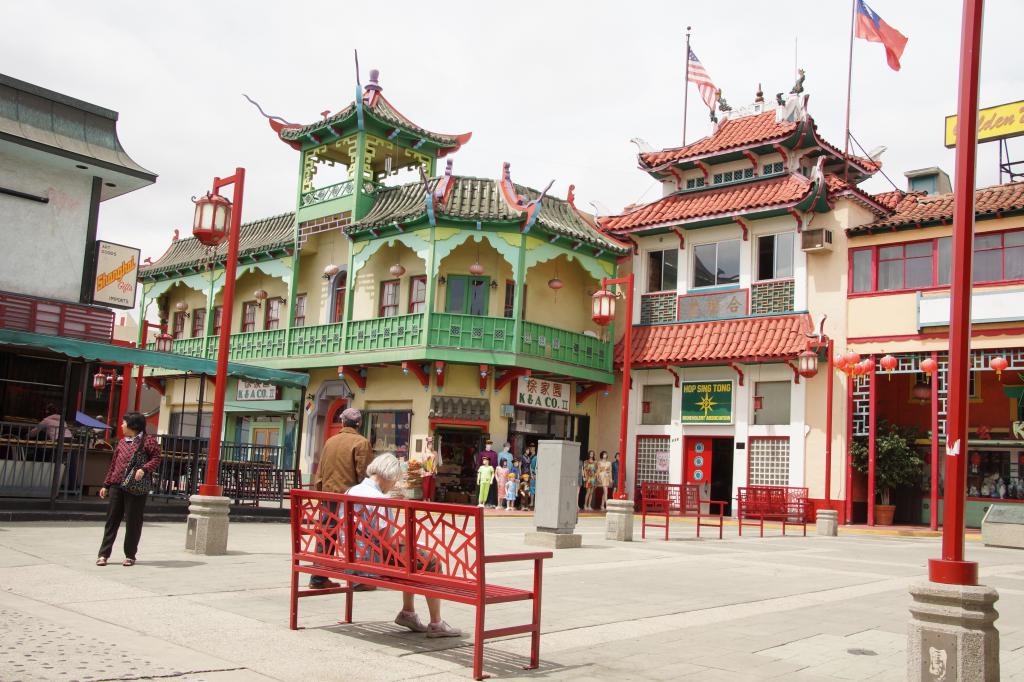
Shopping is a highlight: Browse bazaars at Chinatown Phuoc Loc Tho Center for clothing, toys, and even funerary items, often run by ethnic Chinese from Vietnam. Specialty stores like Dynasty King offer ambience and souvenirs. For nightlife, catch midnight firecrackers at Thien Hau Temple on New Year’s Eve or explore galleries during art walks.
Outdoor enthusiasts can jog in the State Historic Park or play basketball at Alpine Rec Center. Self-guided walking tours via GPSmyCity cover Union Station to Central Plaza. Recent X posts highlight romantic dinners and performances, like a date night combining eats and theater.
Practical Tips for Visiting
Chinatown Los Angeles is transit-friendly, near Union Station and the Metro A Line. Park at lots off Broadway if driving. Weather is mild year-round, with highs from 68°F in January to 86°F in August. It’s renter-heavy (91%) and diverse, so respect locals amid gentrification concerns. Safety is generally good, but stick to main areas at night. Budget $20-50 for a meal, and explore on foot—it’s compact.
In summary, Chinatown Los Angeles captivates with its blend of tradition and innovation. Whether savoring pho, admiring Bruce Lee, or joining a parade, this neighborhood promises memories that linger long after you leave.
FAQ
Q: When is the best time to visit Chinatown Los Angeles? A: Year-round, but Chinese New Year (late January/early February) offers parades and festivities. Summers are warm, winters mild.
Q: Is Chinatown Los Angeles walkable? A: Yes, most attractions are within a few blocks. Use Metro for easy access from downtown LA.
Q: Are there vegetarian options in Chinatown Los Angeles restaurants? A: Absolutely—many spots offer veggie dim sum, pho, and bakery items. Check menus for adaptations.
Q: How do I get to Chinatown Los Angeles from LAX? A: Take the Metro C Line to Union Station, then walk or hop on the A Line—about 1 hour total.

