



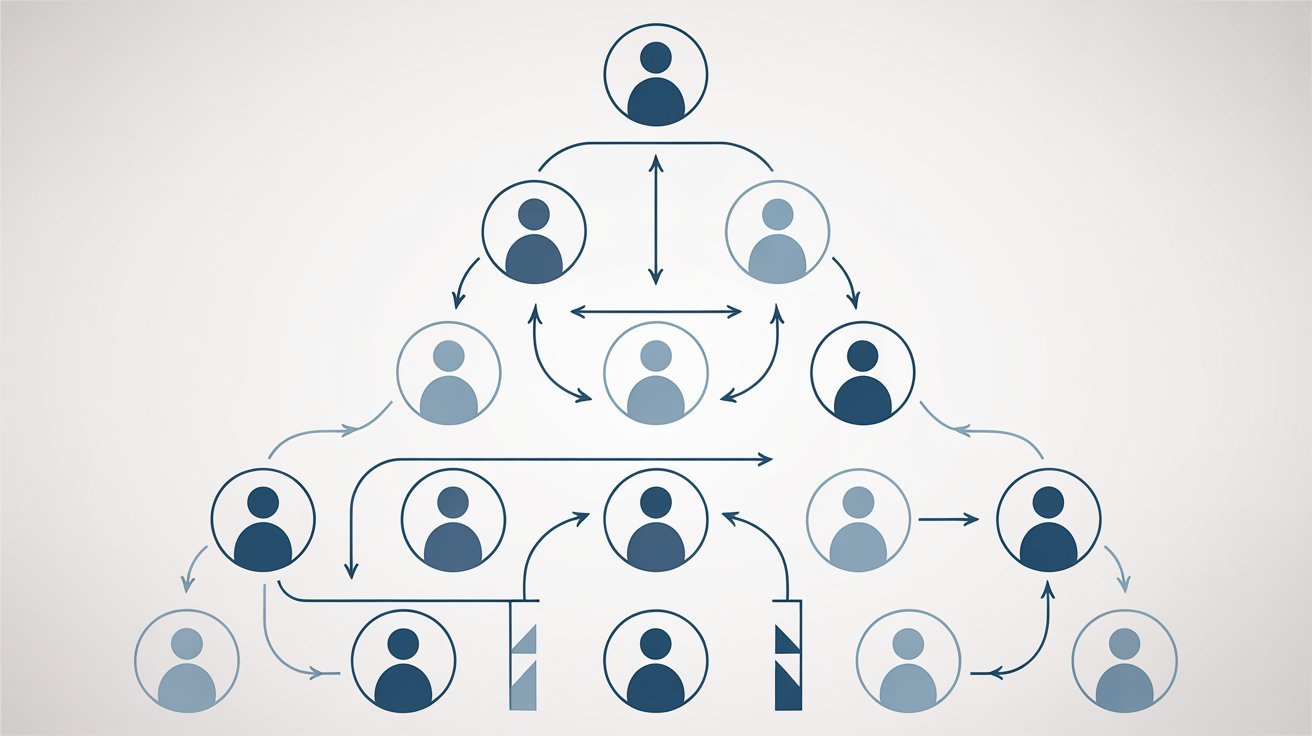
In today’s regulatory environment, identifying the Ultimate Beneficial Owner is a critical requirement for businesses, financial institutions, and compliance teams. Whether you are onboarding a new client, forming a partnership, or conducting due diligence, understanding who truly owns or controls a company is essential for transparency and regulatory compliance.
This guide explains what is UBO, the ultimate beneficial owner definition, and the practical steps to identify and verify the real owner behind a corporate structure.
What Is UBO? Understanding the Ultimate Beneficial Owner Definition
Before learning how to identify one, it’s important to clarify what is UBO.
The ultimate beneficial owner definition refers to the natural person who ultimately owns or controls a company, even if ownership is held through multiple layers of corporate entities. In simple terms, the Ultimate Beneficial Owner (UBO) is the individual who benefits from the company’s assets or profits and has significant control over its operations.
In most jurisdictions, a person qualifies as a UBO beneficial owner if they:
- Own 25% or more of the company’s shares or voting rights (threshold may vary by country)
- Exercise significant control over the company’s management
- Benefit financially from the company’s activities
Identifying the UBO is a core part of anti-money laundering (AML) and corporate governance regulations worldwide.
Why Identifying the Ultimate Beneficial Owner Is Important
Proper identification of the Ultimate Beneficial Owner is not just a formality — it is a regulatory obligation.
Here’s why it matters:
- Prevents money laundering and terrorist financing
- Reduces fraud and corruption risks
- Ensures regulatory transparency
- Protects businesses from reputational damage
- Strengthens UBO compliance frameworks
Regulators require businesses to perform UBO checks during customer onboarding and ongoing monitoring to ensure financial transparency.
Step-by-Step Process to Identify the Ultimate Beneficial Owner
Identifying a UBO can be straightforward in small companies but more complex in layered corporate structures. Follow these steps for accurate identification.
1. Review the Company’s Ownership Structure
Start by examining the company’s shareholding pattern.
- Identify all shareholders
- Determine their ownership percentage
- Check voting rights and control mechanisms
If the shareholders are individuals, it becomes easier to determine who meets the UBO threshold. However, if the shareholders are corporate entities, you must continue tracing ownership.
2. Trace Ownership Through Corporate Layers
In many cases, companies are owned by other companies. To identify the Ultimate Beneficial Owner:
- Examine each corporate shareholder
- Identify its shareholders
- Continue tracing until you reach a natural person
The process stops only when you identify the individual who ultimately owns or controls the business.
3. Assess Control Beyond Shareholding
Ownership percentage alone does not always determine a UBO.
A person may qualify as a UBO if they:
- Appoint or remove directors
- Influence major business decisions
- Control the company through agreements
- Exercise power via nominee arrangements
Therefore, identifying a UBO beneficial owner requires evaluating both ownership and control.
4. Identify Senior Managing Officials (If No Clear UBO)
If no individual meets the ownership threshold, regulations in many jurisdictions require identifying a senior managing official (such as the CEO or director) as the UBO for compliance purposes.
This ensures that there is always a responsible individual recorded for regulatory transparency.
Conducting Effective UBO Checks
After identifying the Ultimate Beneficial Owner, the next step is performing proper UBO checks.
These checks typically include:
- Identity verification (passport, national ID)
- Address verification
- Sanctions screening
- Politically Exposed Person (PEP) screening
- Adverse media screening
These procedures ensure that the UBO is not involved in financial crimes or regulatory violations.
UBO Verification Process
UBO verification goes beyond simple identification. It confirms that the information provided is accurate and legitimate.
The verification process may include:
- Reviewing official company registry documents
- Obtaining share certificates
- Analyzing shareholder agreements
- Using corporate intelligence databases
- Verifying documents with government records
Financial institutions often rely on digital compliance tools to streamline UBO verification and reduce manual errors.
Common Challenges in Identifying the Ultimate Beneficial Owner
Identifying the Ultimate Beneficial Owner can be complicated in cases involving:
- Multi-layered holding structures
- Offshore companies
- Trusts and foundations
- Nominee shareholders
- Cross-border ownership
In such situations, enhanced due diligence and professional compliance support may be required to maintain proper UBO compliance.
Best Practices for Strong UBO Compliance
To ensure ongoing UBO compliance, businesses should follow these best practices:
- Maintain updated ownership records
- Conduct periodic reviews of ownership structures
- Implement automated UBO checks
- Train compliance staff regularly
- Establish clear internal AML policies
Regulatory authorities increasingly require companies to submit UBO declarations and maintain transparency registers. Failing to comply can result in heavy fines and reputational risks.
Conclusion
Identifying the Ultimate Beneficial Owner is a critical step in maintaining corporate transparency and preventing financial crime. By understanding what is UBO, applying the correct ultimate beneficial owner definition, and implementing thorough UBO verification procedures, businesses can meet regulatory requirements and strengthen their compliance framework.
Whether you are onboarding a new client or reviewing an existing corporate structure, proper UBO checks and continuous monitoring are essential for effective UBO compliance.
A structured, step-by-step approach ensures that you accurately identify the real individuals behind a company — protecting your business from legal, financial, and reputational risks.