



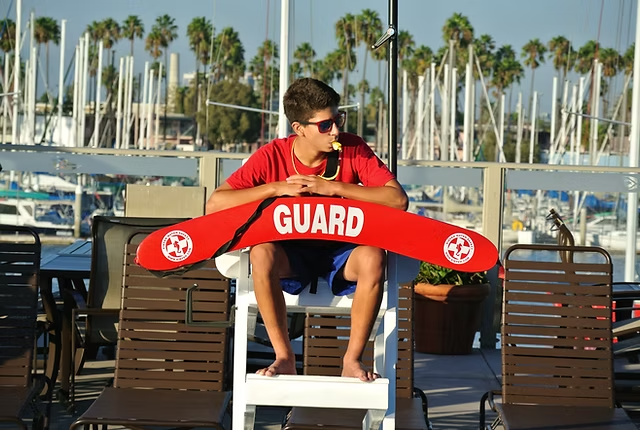
A lifeguard class is the starting point for anyone who wants to become a confident, certified aquatic safety professional. Whether you plan to work at a pool, beach, waterpark, lake, or resort, a structured lifeguard class prepares you to prevent emergencies and respond quickly when they occur. Lifeguards are trusted with public safety, and that trust is earned through training, practice, and proven competency.
A high-quality lifeguard class goes beyond basic rescue skills. It develops vigilance, physical readiness, leadership, and a strong understanding of emergency care. Built on nationally recognized standards and evidence-based practices, professional lifeguard instruction prepares candidates for real-world situations where calm decision-making and quick action can save lives.
Why a Lifeguard Class Matters
Water emergencies often happen fast and many happen quietly. A struggling swimmer may not wave or call out for help. In many cases, distress is subtle and easy to miss without training. That’s why taking a professional lifeguard class is essential: it teaches you how to recognize trouble early, respond immediately, and manage situations safely.
A structured lifeguard class trains students to:
- Detect early signs of swimmer distress
- Maintain constant and organized surveillance
- Reduce risks through rule enforcement and prevention
- Respond quickly using proper rescue techniques
- Provide CPR, AED support, and First Aid
Prevention is always the goal, but a lifeguard must also be prepared to act without hesitation. A lifeguard class builds that readiness through structured learning and repeated practice.
What You Learn in a Professional Lifeguard Class
A comprehensive lifeguard class blends classroom education with hands-on skills training. This combination ensures students understand why procedures work and how to perform them under pressure.
1) Water Rescue Skills
Water rescue training is the core of any lifeguard class. Students learn safe, effective rescue methods while also protecting themselves from danger during an incident.
Common rescue training includes:
- Safe water entries and approaches
- Active victim rescues (conscious, struggling swimmers)
- Passive victim rescues (unconscious or non-moving victims)
- Submerged victim retrieval
- Multiple-victim response strategies
- Spinal injury management in shallow and deep water
- Using rescue equipment such as tubes and backboards
Practice is repeated until techniques become reliable and automatic—because in real emergencies, clear thinking must be matched with trained movement.
2) CPR and AED Training
Cardiac emergencies can happen in aquatic settings due to drowning, trauma, or underlying medical issues. A professional lifeguard class includes CPR and AED training to ensure students can provide immediate, life-saving care.
Students typically learn:
- Adult CPR, child CPR, and infant CPR
- High-quality chest compressions (proper depth and rate)
- Rescue breathing techniques
- Two-rescuer CPR coordination
- AED setup and safe operation
- Emergency oxygen support basics (where applicable)
These skills are taught with performance standards, meaning students must demonstrate competence—not just attend
3) First Aid and Injury Response
Lifeguards frequently deal with more than water rescues. Slips, falls, cuts, stings, heat illness, and sudden medical conditions are common in aquatic environments. A lifeguard class includes First Aid training so students can respond appropriately.
First Aid skills often cover:
- Bleeding control and wound care
- Sprains, strains, and fracture management
- Heat exhaustion and heat stroke recognition
- Allergic reactions and emergency response procedures
- Head, neck, and spinal injury precautions
First Aid training helps lifeguards stabilize a person until advanced medical support arrives.
4) Surveillance and Prevention Techniques
The most effective rescue is the one that never needs to happen. That’s why a lifeguard class focuses heavily on prevention through surveillance and risk management.
Students learn:
- Systematic scanning techniques to reduce blind spots
- Zone coverage responsibility and positioning
- Rotation methods to prevent fatigue and maintain focus
- How to identify risky behavior early
- Professional rule enforcement and patron communication
Strong surveillance is a skill, not a habit. Training teaches lifeguards how to watch water effectively—continuously and intentionally.
Physical Requirements and Skill Testing
Lifeguarding is physically demanding. A lifeguard class typically includes swim and fitness evaluations to confirm that students can perform rescues safely and effectively.
Common assessments include:
- Timed distance swims
- Treading water without support
- Surface dives to retrieve weighted objects
- Rescue scenario simulations
- CPR skill evaluations using training manikins
These tests help ensure that certified lifeguards can meet real-world job demands—not just pass written material.
Certification and Professional Credibility
Successful completion of a lifeguard class results in certification, which is typically valid for two years. Certification confirms that the student has demonstrated competence in lifeguarding, CPR/AED, and First Aid.
A recognized credential strengthens employability and reassures employers that a lifeguard meets standardized training requirements. It also signals professionalism and preparedness to the public and facility operators.
Who Should Take a Lifeguard Class?
A lifeguard class is ideal for people pursuing a job in aquatic safety, but it also benefits those who want reliable life-saving skills.
This training is useful for:
- Aspiring pool and beach lifeguards
- Waterpark and resort staff
- Swim instructors and coaches
- Camp counselors
- Recreation staff and aquatic supervisors
- Individuals who spend frequent time around water
For many students, a lifeguard class is a first professional step that builds leadership, responsibility, and teamwork skills. For others, it supports long-term growth in recreation, safety, and aquatic management.
Recertification and Ongoing Readiness
Because skills and safety guidelines evolve, certification must be renewed—typically every two years. Recertification ensures lifeguards remain confident and current, especially in CPR updates and rescue procedures.
Regular renewal helps lifeguards:
- Refresh time-critical rescue skills
- Practice updated emergency scenarios
- Maintain professional eligibility for employment
- Reinforce confidence and speed under pressure
Staying certified is part of staying ready.
Leadership Skills You Gain in a Lifeguard Class
A professional lifeguard class doesn’t just build rescue ability—it builds leadership. Lifeguards must stay calm, make quick decisions, and communicate clearly in stressful moments.
Training strengthens:
- Situational awareness
- Clear communication and teamwork
- Professional authority and rule enforcement
- Emotional control under pressure
- Decision-making in emergencies
These skills transfer into other careers and help students grow personally as well as professionally.
Start Your Lifeguard Class with Confidence
Taking a lifeguard class is a meaningful commitment to public safety and personal responsibility. Through structured education, hands-on practice, and performance-based evaluation, students gain the skills needed to prevent emergencies and respond effectively when lives are at risk.
Water safety begins with awareness. Emergency readiness begins with training.
A professional lifeguard class prepares you to supervise confidently, act decisively, and protect others when it matters most.