



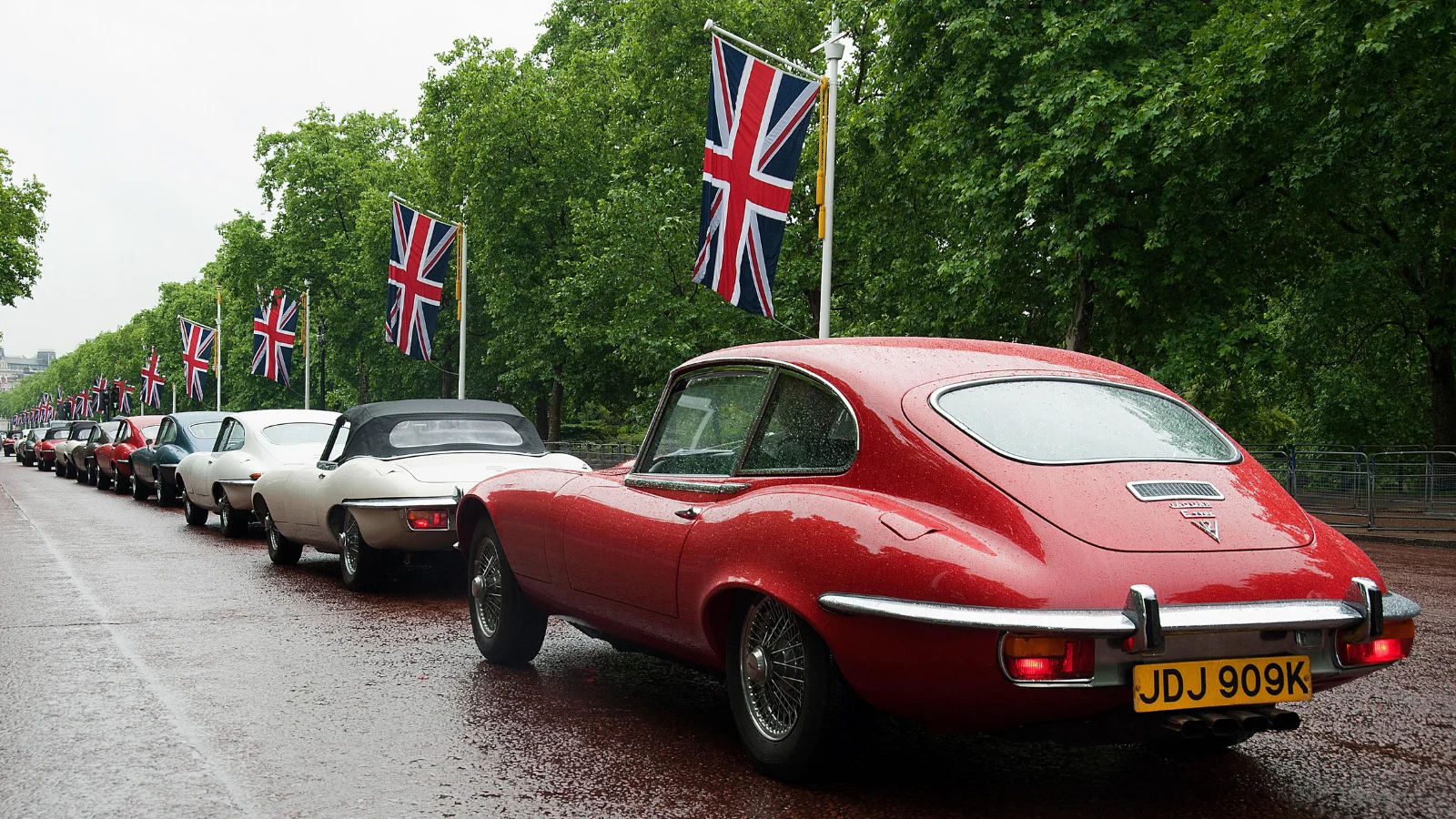
Jaguar: The country behind the famous luxury car name
When people ask, “Jaguar is the company of which country?”, the clearest answer is the United Kingdom. The brand is widely recognized as a British luxury car maker, and its heritage is deeply tied to England, especially Coventry. Today, the marque sits under Jaguar Land Rover, a British multinational automobile manufacturer headquartered in Whitley, Coventry, while ownership is linked to Tata Motors, an Indian company that acquired Jaguar and Land Rover in 2008.
That is why the question has two layers. One layer is the brand’s origin, which is British. The other layer is current ownership, which is Indian through Tata Motors. Both facts are true at the same time, and both matter if you are trying to understand the company behind the badge.
In simple words, the company’s identity was built in Britain, but its modern corporate home is part of a global group. That mix is common in today’s car industry, where heritage, engineering, and ownership can belong to different places.
The British roots of the brand
The story begins in 1922, when William Lyons founded the Swallow Sidecar Company. The business later introduced the SS Jaguar name in 1935, and in 1945 the company changed its name to Jaguar Cars Limited. That history places the brand firmly inside British automotive culture, not as an imported label, but as a homegrown engineering story that grew over time.
Coventry and the wider Midlands region are central to that heritage. Jaguar’s historical development, manufacturing, and design work have long been associated with England, and that geography helped shape the company’s image as a maker of refined, performance-focused vehicles. The brand became known for elegant styling, strong engineering, and a premium driving feel.
This is one reason the brand still feels distinctly British to many people. British automotive heritage often carries ideas such as craftsmanship, restrained luxury, and motorsport influence. Jaguar fits that pattern closely, which is why the country question usually leads back to the United Kingdom even when the modern ownership structure is more international.
Why people confuse origin with ownership
A lot of confusion comes from the difference between “where the company started” and “who owns it now.” Jaguar started in Britain, but ownership changed hands several times over the decades. The brand passed through British Motor Holdings, British Leyland, Ford, and later Tata Motors. That long chain makes the answer less obvious than it first appears.
For many readers, “What country is the company from?” sounds like a one-word answer. In reality, large automotive groups often have factories, design studios, shareholders, and headquarters in different countries. That is why the most accurate response is that the brand is British in origin and identity, while current ownership belongs to Tata Motors of India through Jaguar Land Rover.
This distinction matters because brand heritage and corporate ownership are not the same thing. A company may be founded in one nation, operate across several others, and be owned by a parent group based somewhere else. Jaguar is a textbook example of that global structure.
What makes it a British automotive icon
The brand’s British image is not only about where it was founded. It is also about design language, historical performance, and the types of cars that made it famous. Jaguar became known for sports cars and luxury saloons that combined style with speed, and that combination helped define its reputation around the world.
Another reason the company feels British is its long connection to motorsport and classic car culture. Racing success, elegant road cars, and a distinctive grille-and-cat identity gave the marque a very specific personality. In the minds of many enthusiasts, that personality is tied to the United Kingdom just as strongly as the company’s founding story.
Even today, the brand’s strategic direction still reflects its heritage. Jaguar Land Rover says it is reimagining its brands with electrification in mind, and Jaguar is being positioned as an all-electric brand in the company’s current strategy. That plan shows how a historic British name can evolve without losing its roots.
The modern corporate structure
If you look at the present structure, Jaguar is part of Jaguar Land Rover, which is described as a British multinational automobile manufacturer based in Whitley, Coventry. JLR produces luxury vehicles and SUVs and manages the Jaguar and Land Rover marques within one corporate umbrella.
Ownership changed when Ford sold Jaguar and Land Rover to Tata Motors in 2008. Tata Motors is an Indian automotive company, so the group ownership sits in India, even though the brands and much of the engineering identity remain British. That is the key to answering the country question accurately.
So the clean answer is this: the company is British in origin and brand identity, and it is owned by an Indian parent company today. That is not a contradiction. It is simply how a global car business can evolve over decades.
The role of Coventry in the story
Coventry appears again and again whenever the brand’s history is discussed, because it has been one of the most important places in the company’s development. The city has long been associated with British vehicle production, and Jaguar’s story is deeply tied to that local industrial heritage.
For a brand like this, location is not just a point on a map. It becomes part of the brand’s personality. Coventry helped shape the company’s design culture, engineering tradition, and public image as a premium maker with British craftsmanship at its core.
That heritage is still valuable today because luxury car buyers often care about more than a badge. They care about story, reputation, and consistency. A strong place-based identity can make a brand feel more authentic, and Jaguar has benefited from that connection for decades.
From classic saloons to modern luxury vehicles
Jaguar became famous for elegant saloons and high-performance sports cars, and those vehicles built the foundation for the company’s premium image. Over time, the brand expanded into a wider luxury portfolio, but its core appeal stayed similar: refined styling, comfort, and a performance edge.
That legacy still influences how the company is discussed today. Even when buyers are looking at modern luxury vehicles, they often think of the brand’s classic lines and driving feel. Heritage matters in the luxury market because it tells people that a company has depth, not just fresh marketing.
The current push toward electrification shows how the brand is trying to protect that heritage while adapting to a new market. The challenge is to keep the emotional appeal of the old name while building vehicles that fit future expectations. That is a difficult balance, but it is also what makes the story interesting.
Why the brand still matters to car enthusiasts
Many enthusiasts care about the company’s country because country of origin often signals design philosophy. British cars are frequently associated with sophistication, road manners, and a certain understated charm. Jaguar fits that image closely, which is why the name still carries weight around the world.
The brand also attracts attention because it sits at the intersection of tradition and reinvention. Some companies rely entirely on nostalgia, while others forget their past too quickly. Jaguar’s challenge is to keep enough heritage to remain recognizable while moving into a new era of electric mobility.
That balance matters not only to collectors and fans, but also to everyday buyers who want confidence in a premium name. A long history, a clear identity, and a strong corporate structure all help build trust in the market.
The simplest answer for students, shoppers, and researchers
If you need a one-line answer, use this: Jaguar is a British automotive company brand from the United Kingdom, now owned by Tata Motors of India through Jaguar Land Rover.
That sentence gives you both the origin and the present ownership in a single thought. It is useful for school work, business writing, and quick fact checking because it avoids the common mistake of mixing up birthplace and parent company.
For readers who want the answer in even simpler language: the company is British, but the owner is Indian. Both parts are important, and both are true.
For car-care readers, BusinessToMark’s guide on How Long Does an Oil Change Take is a useful automotive companion piece.
For navigation and driving-related context, How to Change Apple Maps Voice in Simple Steps is another practical read.
For route and location setup, How to Change Home Address on Google Maps can also be helpful for drivers and travelers.
For a public reference on the brand’s history, see Jaguar Cars on Wikipedia.
Final thoughts
The question “Jaguar is the company of which country?” has a clear answer once you separate heritage from ownership. The brand is British in origin, British in cultural identity, and strongly tied to the United Kingdom through its history in Coventry and its long place in the automotive world. At the same time, the modern company sits within a global structure owned by Tata Motors.
That makes Jaguar a good example of how famous brands can remain rooted in one country while being part of a broader international group. The name still carries British prestige, but its future is being shaped inside a worldwide automotive network.