Introduction
The world of interior design is evolving faster than ever before. In 2026, homes are no longer just physical spaces where people live—they have become intelligent, emotional, and highly personalized environments. People now want homes that reflect personality, support mental well-being, and integrate seamlessly with technology.
The Best Interior Design Trends For A Modern Home in 2026 focus on comfort, sustainability, minimalism, and smart functionality. Designers are blending nature with technology, simplicity with luxury, and tradition with innovation. The goal is not just to decorate a home but to create a lifestyle experience.
Modern homeowners are also becoming more conscious of environmental impact, leading to eco-friendly materials, energy-efficient lighting, and sustainable furniture choices. At the same time, digital advancements like AI-powered lighting, smart furniture, and automated home systems are transforming how spaces function.
This detailed guide explores everything you need to know about the Best Interior Design Trends For A Modern Home, helping you understand what is shaping interiors in 2026 and how you can apply these ideas in your own space.
The Evolution of Modern Interior Design in 2026
Interior design has shifted dramatically over the last decade. Earlier, aesthetics were the primary focus. Today, functionality, sustainability, and emotional comfort are equally important.
Homes in 2026 are designed around human behavior. Designers analyze how people move, relax, work, and interact in a space. This has led to highly customized layouts that maximize comfort and efficiency.
One of the most important principles in the Best Interior Design Trends For A Modern Home is balance. Homes are now designed to feel open yet cozy, modern yet warm, and stylish yet practical.
Technology has also become deeply embedded in interiors. Smart thermostats, voice-controlled lighting, and adaptive furniture are no longer luxury features—they are becoming standard expectations.
Minimalist Luxury with Emotional Comfort
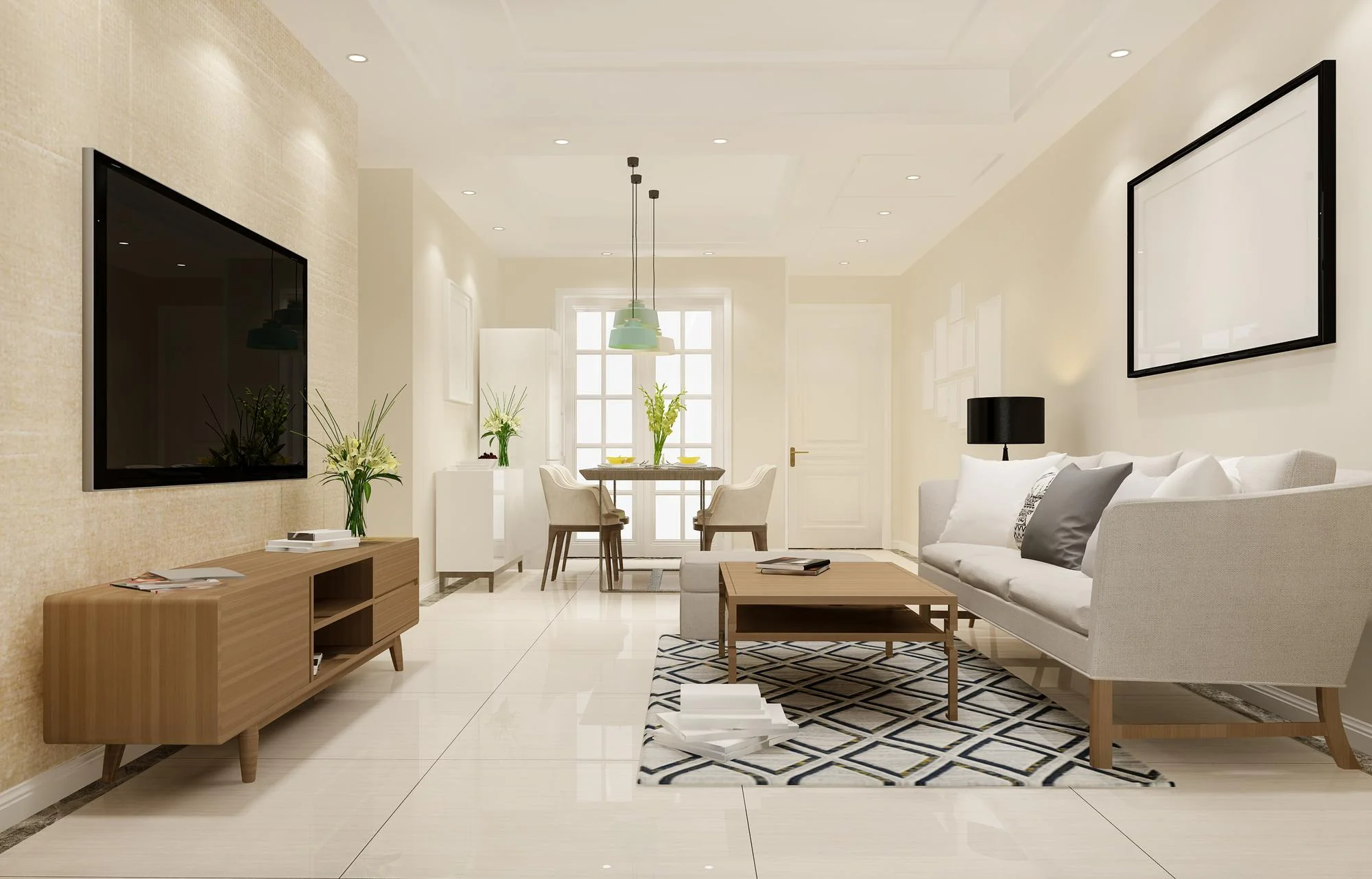
Minimalism continues to dominate modern design, but it has evolved into something more emotional and warm. Instead of cold, empty spaces, 2026 minimalism focuses on softness, textures, and comfort.
This style removes unnecessary clutter but retains personality through carefully selected décor pieces. Neutral color palettes like beige, cream, and soft grey are combined with natural wood and fabric textures.
A key principle of the Best Interior Design Trends For A Modern Home is “less but meaningful.” Every item in the room serves a purpose or carries emotional value.
Furniture is becoming simpler in shape but richer in material quality. Soft curves are replacing sharp edges, making spaces feel more welcoming.
Biophilic Design: Bringing Nature Indoors
Biophilic design is one of the strongest trends shaping modern interiors. It focuses on connecting people with nature through indoor environments.
This includes large windows for natural light, indoor plants, natural materials like stone and wood, and earthy color palettes.
Homes designed with biophilic principles improve mental health, reduce stress, and increase productivity. This makes it a core part of the Best Interior Design Trends For A Modern Home in 2026.
Living walls, indoor gardens, and water-inspired décor elements are becoming increasingly popular. Even small apartments now incorporate vertical green spaces.
Smart Homes and Intelligent Interiors
Technology is revolutionizing interior design. Smart homes are now fully integrated systems that control lighting, temperature, security, and entertainment.
Voice assistants and AI-powered systems allow homeowners to control their entire home environment effortlessly.
One major highlight in the Best Interior Design Trends For A Modern Home is adaptive lighting systems that change brightness and color based on time of day and mood.
Furniture is also becoming smarter. Beds track sleep quality, sofas adjust firmness, and tables include wireless charging systems.
This combination of design and technology creates homes that respond to human needs in real time.
Sustainable and Eco-Friendly Materials
Sustainability is no longer optional—it is a necessity. Designers are increasingly using recycled wood, bamboo, natural stone, and eco-friendly fabrics.
Low-VOC paints and energy-efficient appliances are standard in modern homes.
The Best Interior Design Trends For A Modern Home strongly emphasize reducing environmental impact while maintaining aesthetic beauty.
Even furniture production is shifting toward ethical sourcing and minimal waste manufacturing processes.
Homeowners are now choosing quality over quantity, investing in long-lasting materials instead of disposable décor.
Earthy and Warm Color Palettes
Color psychology plays a huge role in modern interior design. In 2026, earthy tones dominate interior spaces.
Shades like terracotta, olive green, warm beige, and muted brown are widely used to create calming environments.
These colors are part of the Best Interior Design Trends For A Modern Home because they promote relaxation and emotional stability.
Accent colors like deep blue or burnt orange are used sparingly to add character and contrast.
The goal is to create harmony between visual appeal and emotional comfort.
Multifunctional Living Spaces
As urban living spaces become smaller, multifunctional design has become essential.
Rooms now serve multiple purposes—living rooms double as workspaces, kitchens integrate dining areas, and bedrooms include study corners.
This flexibility is a core part of the Best Interior Design Trends For A Modern Home in 2026.
Furniture is designed to be modular and movable. Foldable desks, expandable tables, and storage-integrated seating are becoming standard.
This approach ensures that even small homes feel spacious and highly functional.
Curved Furniture and Soft Architecture
Sharp edges are gradually disappearing from modern interiors. Instead, curved furniture and soft architectural lines are becoming popular.
Rounded sofas, circular tables, and arched doorways create a smooth visual flow within spaces.
This trend is part of the Best Interior Design Trends For A Modern Home because it enhances comfort and reduces visual tension.
Curved designs also help create a more organic and natural environment, making interiors feel less rigid and more welcoming.
Textural Layering for Depth and Warmth
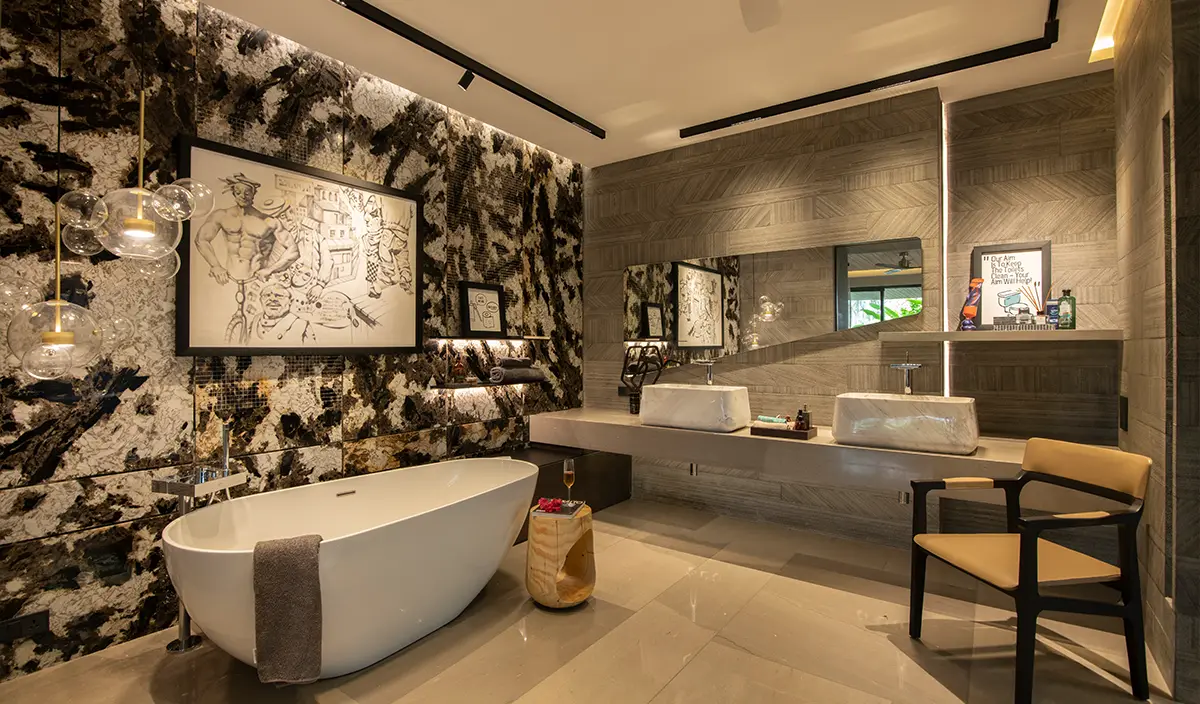
Texture is becoming just as important as color in modern interiors. Designers are combining multiple materials such as wood, linen, wool, metal, and stone to create depth.
Layering textures adds visual interest without overwhelming the space.
This technique is widely used in the Best Interior Design Trends For A Modern Home to make minimalist spaces feel rich and dynamic.
For example, a simple living room might include a soft wool rug, a linen sofa, wooden furniture, and metallic accents.
Japandi and Hybrid Design Styles
One of the strongest influences in 2026 is the Japandi style—a blend of Japanese simplicity and Scandinavian functionality.
This style focuses on minimalism, natural materials, and calm aesthetics.
Hybrid design styles like Japandi are a key part of the Best Interior Design Trends For A Modern Home because they combine global design philosophies into a balanced approach.
Other hybrid styles are also emerging, mixing Mediterranean warmth with modern minimalism or industrial elements with organic textures.
Personalized and AI-Driven Interiors
Artificial intelligence is now influencing how homes are designed and maintained. AI tools analyze user behavior to suggest layout improvements, color schemes, and lighting setups.
This personalization ensures that every home is unique.
In the Best Interior Design Trends For A Modern Home, personalization is a major focus. No two homes look the same because each is designed around the lifestyle of its occupants.
From custom furniture to AI-curated décor suggestions, personalization is redefining modern interiors.
Wellness-Centered Design
Health and wellness are now central to interior design. Homes are being designed to improve sleep, reduce stress, and enhance productivity.
Air purification systems, natural ventilation, and soundproofing are becoming standard features.
The Best Interior Design Trends For A Modern Home prioritize mental and physical well-being as much as aesthetics.
Spaces like meditation corners, yoga rooms, and relaxation zones are increasingly common in modern homes.
Future Outlook of Interior Design
Looking ahead, interior design will continue to evolve toward greater integration between humans, nature, and technology.
Homes will become more adaptive, learning from user habits and adjusting automatically.
The Best Interior Design Trends For A Modern Home will likely continue focusing on sustainability, emotional comfort, and smart automation.
Design will not just be about beauty but about improving quality of life.
Conclusion
Interior design in 2026 represents a perfect balance between innovation and comfort. The modern home is no longer just a living space—it is a reflection of personality, lifestyle, and values.
From sustainability and smart technology to minimalism and biophilic design, every trend points toward creating more meaningful living environments.
The Best Interior Design Trends For A Modern Home highlight how deeply design is connected to human experience. Homes are becoming smarter, greener, and more personalized than ever before.